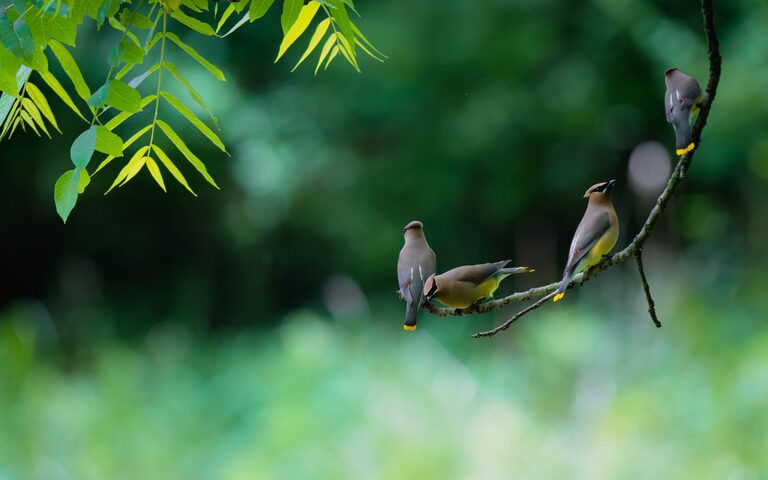
Birdwatching is a rewarding hobby that invites you to explore the natural world from the comfort of your own backyard. Whether you live in a bustling city or a quiet suburb, watching birds can provide relaxation, education, and a deeper appreciation for wildlife. If you’re new to birdwatching, this guide offers helpful tips to get you started on the right foot.
Why Backyard Birdwatching?
Backyard birdwatching is accessible and enjoyable for almost everyone. It requires minimal equipment, and you don’t need previous experience or expert knowledge. Watching birds in your yard helps you connect with nature, reduces stress, and can even inspire conservation efforts. Plus, it’s a hobby suitable for all ages.
—
Getting Started: What You Need
1. Basic Equipment
– Binoculars: You don’t need top-of-the-line gear; a simple pair of binoculars with 8x or 10x magnification is perfect for beginners.
– Field Guide or Bird Identification App: A guidebook or smartphone app will help you identify the birds you see. Many apps include photos, sounds, and tips.
– Notebook or Journal: Keeping a log of your sightings can be fun and educational.
2. Setting Up Your Space
Creating a bird-friendly backyard encourages a variety of species to visit.
– Bird Feeders: Choose feeders suited to local birds, such as tube, platform, or suet feeders.
– Water Source: A birdbath or shallow water dish provides drinking and bathing water.
– Native Plants: Planting native flowers, shrubs, and trees provides natural food and shelter.
– Safe Environment: Keep cats indoors and avoid using pesticides to protect visiting birds.
—
Essential Beginner Tips
Observe Quietly and Patiently
Birds are easily startled. Find a comfortable spot where you can sit quietly and watch without sudden movements or loud noises. Patience is key; birds may take time to appear.
Learn to Identify Common Birds
Start by learning the birds common in your region. Focus on their size, shape, colors, and distinct behaviors. Use your guide or app to match what you see.
Note Bird Behavior and Sounds
Pay attention to how birds move, feed, and interact. Listening to bird songs can also help with identification. Many apps offer bird calls to train your ear.
Feed Wisely and Responsibly
Use appropriate bird food and keep feeders clean to prevent disease. Different birds prefer different foods:
– Sunflower seeds attract finches and chickadees.
– Nyjer seeds are favorites of goldfinches.
– Suet is good for woodpeckers.
Change feeding based on the season and bird activity.
—
Common Birds to Spot in Your Backyard
Here are a few birds you might see depending on your region:
– American Robin: Known for its orange chest and cheerful song.
– Northern Cardinal: Bright red males and soft brown females.
– Blue Jay: Bold blue feathers and loud, distinctive calls.
– Mourning Dove: Soft gray with a gentle cooing sound.
– House Finch: Small, with red or orange on the head and chest.
—
Keeping a Birdwatching Journal
Recording your observations enhances your experience and helps track changing bird populations over time. Include:
– Date and time
– Weather conditions
– Bird species and numbers
– Behaviors noticed
– Any interesting interactions
—
Joining the Birdwatching Community
Consider connecting with local birdwatching groups or online forums. Many communities hold walks, workshops, or citizen science projects like bird counts. Sharing your experiences can deepen your enjoyment and knowledge.
—
Additional Tips for Enjoyment and Success
– Be consistent: Regular observation increases your chances of spotting more birds.
– Use a comfortable chair: Comfort helps you remain still for longer periods.
– Wear neutral colors: Bright clothing can scare birds away.
– Clean feeders regularly: Prevents the spread of disease.
– Be observant of seasons: Migration patterns mean different birds at different times.
—
Conclusion
Backyard birdwatching is a wonderful way to engage with nature, sharpen your observation skills, and find peaceful moments each day. By setting up a welcoming environment, learning how to observe respectfully, and exploring bird identification, you’ll find this hobby both fun and fulfilling. Grab your binoculars and start watching — the birds are waiting!