
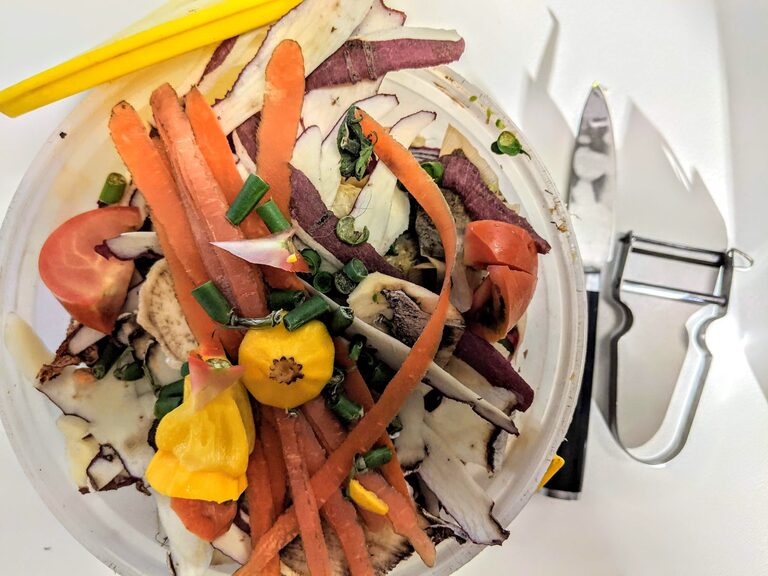
Reducing food waste at home is a practical step anyone can take to save money, conserve resources, and help protect the environment. Millions of tons of food are discarded each year, often due to avoidable reasons like improper storage, overbuying, or misunderstanding expiration dates. The good news is that with a few thoughtful habits and strategies, you can significantly cut down on the amount of food your household throws away.
This post will guide you through easy, actionable ways to reduce food waste, from smart shopping to using leftovers creatively.
Why Reducing Food Waste Matters
Before diving into tips, it’s worth highlighting the benefits of reducing food waste:
– Saves money: Wasting less means buying less over time.
– Protects the environment: Food production consumes water, energy, and land. Wasted food means wasted resources.
– Supports better food habits: Being mindful about food often leads to healthier eating.
Now, let’s explore practical ways to apply these benefits in your daily routine.
1. Plan Meals and Shop Smartly
Make a Meal Plan
Creating a weekly meal plan helps you buy only what you need. Consider the number of meals, who will eat, and use recipes with similar ingredients to avoid surplus.
Shop with a List
Use your meal plan to create a shopping list and stick to it. Avoid impulse buys which often lead to food going unused.
Buy Loose Produce
Buying loose fruits and vegetables lets you pick the exact quantity you need, preventing excess.
Check Your Pantry First
Before shopping, check what you already have to avoid duplicates.
2. Store Food Properly
Proper storage is key to extending food freshness.
Understand Storage Needs
– Keep leafy greens in the crisper drawer with a damp paper towel.
– Store bread in a cool, dry place or freeze if not consumed quickly.
– Keep fruits like apples and bananas separate, as some fruits emit ethylene gas that speeds ripening.
Use Clear Containers
Transparent containers let you see what’s inside, preventing forgotten leftovers.
Label and Date
Marking leftovers and opened items with dates helps track freshness.
3. Use Leftovers Creatively
Leftovers are a valuable resource rather than waste.
Reinvent Meals
Transform cooked veggies and proteins into soups, stir-fries, or casseroles.
Freeze Portions
If you won’t eat leftovers soon, freeze them for later use.
Incorporate Scraps
Use vegetable peels and ends to make broths instead of throwing them away.
4. Understand Expiration Dates
Expiration dates can be confusing, leading to premature disposal.
Different Terms
– “Best by” or “Best before” indicates peak quality, not safety.
– “Use by” is about safety and should be followed more strictly.
Use Your Senses
Smell, look, and taste food (if safe) before discarding.
5. Compost What You Can’t Eat
Food scraps like fruit peels, coffee grounds, and eggshells can be composted, reducing landfill waste and creating nutrient-rich soil for plants.
Start a Simple Compost Bin
Even small spaces can accommodate compost bins or bags.
Know What to Compost
Avoid meat, dairy, and oily foods in compost as they can attract pests.
6. Educate Your Household
Reducing food waste is easier when everyone is on board.
Involve Family Members
Discuss meal plans and storage habits.
Share Tips and Goals
Make food waste reduction a shared household goal.
7. Use Technology to Help
Several apps can assist with managing food inventory, meal planning, and finding recipes based on what you have.
Try Food Management Apps
They can remind you to use foods before they spoil.
—
Reducing food waste is a simple but impactful way to improve your home life and contribute positively to the planet. Start with small changes and build habits that will last. Every bite saved counts!